

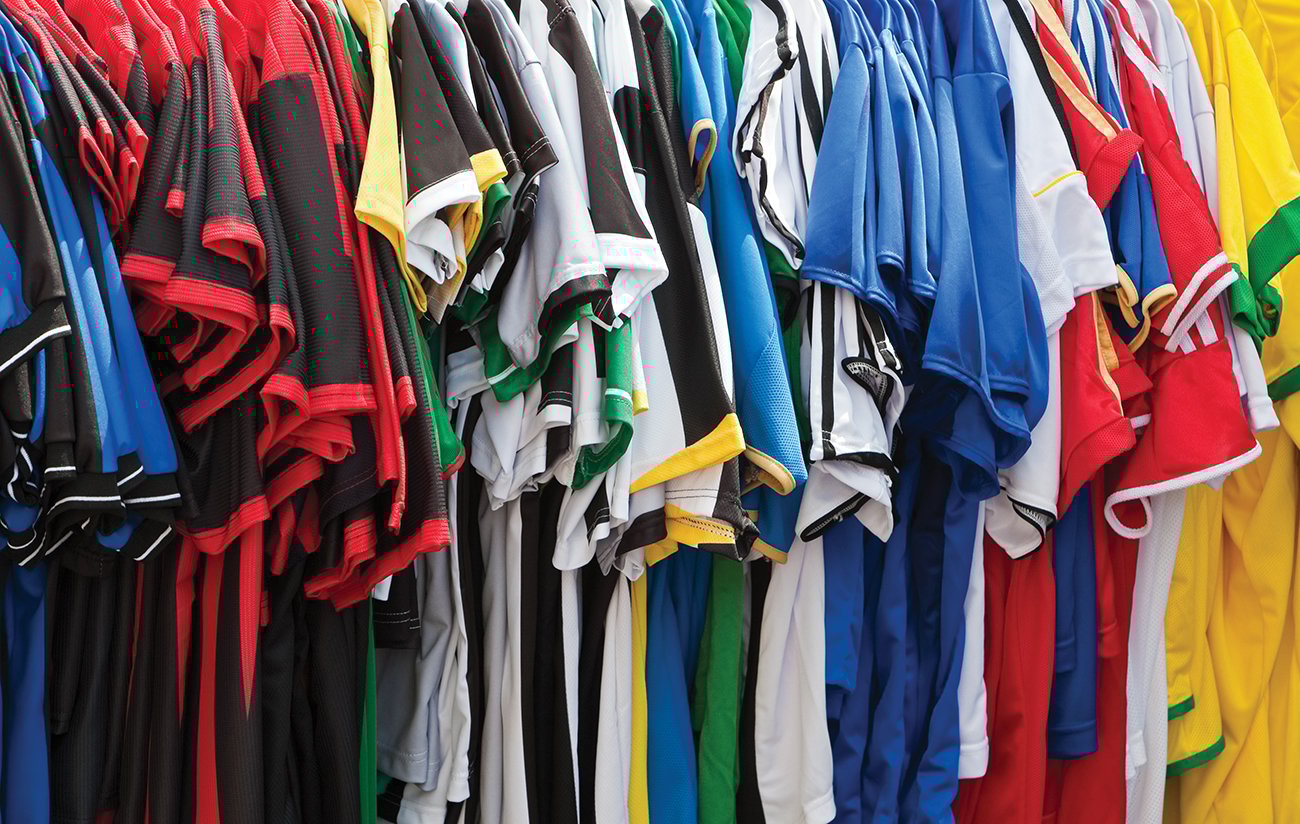
Last year, UK courts considered a Premier League football club’s decision to supply its replica kit exclusively to a third-party retailer. Such arrangements are increasingly common.
Recent enforcement by the UK competition authority, with clubs fined for price-fixing and existing precedent on exclusive dealing, has not deterred clubs from putting in place supply arrangements that restrict retail competition. The CMA seems reluctant to challenge exclusivity arrangements that risk anticompetitive effects unless there is evidence of blatant price-fixing.
Whether the relevant market is specific to the individual club’s replica kit, and thus whether the football club has market power, is central to the assessment of that risk. In this short note, we:
- Analyse arguments that the retail supply and/or wholesale supply of replica kit is likely specific to an individual club (and thus suggest market power);
- Provide preliminary evidence showing how exclusivity can lead to higher prices for consumers; and
- Consider the implications for how clubs structure their retail supply, including when exclusivity may risk indirect retail price maintenance.
Read more about assessing exclusivity and football club market power here.

